


Understanding how to write SEO headlines that convert is essential for capturing your audience’s attention and driving more traffic to your content. By mastering the art of creating compelling, keyword-rich titles, you can significantly boost your click-through rates and improve your search engine rankings. This guide will walk you through effective strategies to craft headlines that not only attract visitors but also encourage them to engage with your site.
Learning to write SEO headlines that convert goes beyond keyword stuffing. It's about crafting titles that capture attention, drive clicks, and organically increase conversions. The most effective SEO headlines in 2026 spark curiosity, match search intent, and guide potential customers to take action—all while staying discoverable in ever-evolving algorithms.
You know the feeling: you pour hours into a blog post, only to watch it flatline in analytics. The quality is there, the insights are sharp, the solutions are exactly what your audience needs—but that all-important headline just isn’t pulling them in. Instead of a spike in organic traffic or a steady drip of leads, your content languishes in the SERP graveyard, outshined by competitors whose headlines seem almost magnetic. It’s frustrating, especially when you realize it’s not that their content is better—it’s that they understand how to write SEO headlines that convert, turning browsers into buyers and clicks into real value.
Here’s an uncomfortable truth: most digital marketers and content creators still treat headline writing as an afterthought. Maybe the headline is a rephrased keyword, maybe it’s tweaked at the last minute. But the landscape has changed—bland, formulaic titles are invisible to both algorithms and humans. Actual conversion isn’t just a result of showing up in search; it’s about persuading the right people at the right moment, blending data-driven SEO good approaches with a nuanced understanding of what makes your audience act.
This guide delivers more than just generic headline hacks—it digs into the psychology behind conversion, decodes how top-performing headlines influence actual buying decisions, and uncovers why the best AI tools can both help and hinder the creative process. You’ll see exactly why most headlines fall flat, what separates high-converting titles from the rest, and how to future-proof your approach as search and user behavior continue to shift. You’re about to learn how to write SEO headlines that convert—that is, if you’re ready to rethink everything you thought you knew about getting clicks.
Why Your Headlines Aren't Converting: The Hidden Problem
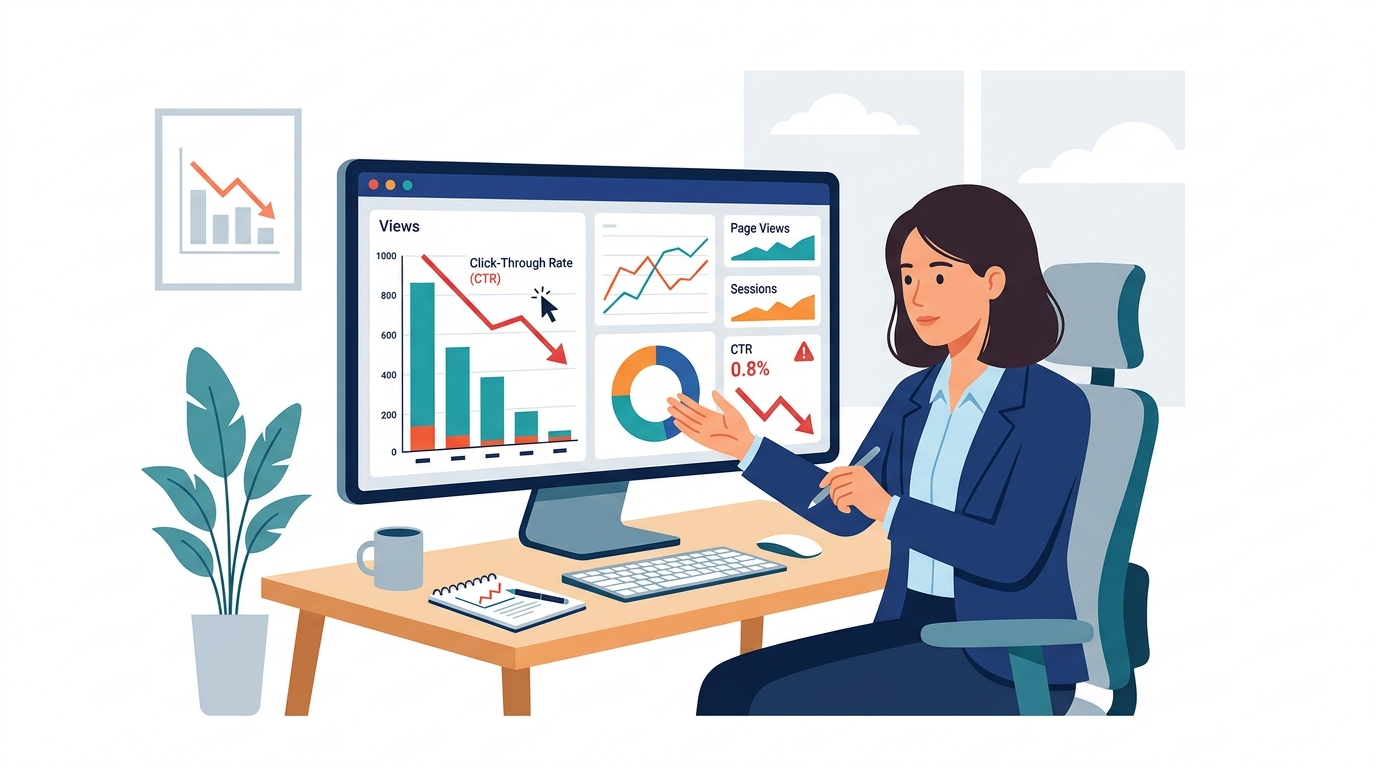
Most marketers who want to master how to write SEO headlines that convert overlook one simple fact: a headline is often the only thing readers see before deciding to click. If your headline misses, your page might as well be invisible.
Where Most SEO Headlines Go Sideways
Nearly everyone writing for SEO has fallen into the same easy traps:
- Drowning readers in jargon — “Optimize Your Content Marketing ROI Levers” isn’t just confusing, it’s a conversion killer. Nobody outside your circle uses those words searching for solutions.
- Vague promises — “Improve Your Skills” says nothing. Improve what skills? For who? And why now?
- Trying too hard to be clever — Cryptic titles might catch an editor’s eye, but they send real users (and Google) running for the hills. Remember, as Vizion aptly notes, unclear headlines miss both the algorithm and your audience.
Every time a headline asks readers to guess what’s behind the link, you’re hemorrhaging clicks — and your competitors are happy to scoop up the traffic.
Clarity Trumps Cleverness: An Example
Here’s a side-by-side to hammer it home:
Vague: Improve Your Skills
Specific: Boost Your SEO Skills in 30 Days
The first headline only works if your audience already knows (and cares) what you’re offering. Most people are just skimming Google or scanning newsletters. The second headline tells who it’s for (people wanting SEO skills), what the benefit is (a boost), and how fast the result comes (30 days). It hooks actual search intent, not just curiosity.
The Single Most Common Mistake: Not Writing for Intent
A headline that doesn’t answer “what’s in it for me, right now?” is just wasted real estate. The pros aren’t sitting around brainstorming puns — they’re mapping terms to specific problems and burning questions.
It’s not about stuffing every keyword possible. It’s about mirroring the language your prospects actually search for, and promising a clear outcome.
What’s Dragging Down Your CTR? (Check for These Symptoms)
If you’re dealing with headlines that just don’t pull their weight, odds are you’ll spot one (or more) of these patterns:
- Headlines packed with industry terms instead of user intent
- Generic promises nobody believes
- Titles that don’t answer a specific question
- Repetitive formats (“5 Tips for X,” over and over)
A quick audit uncovers these blind spots fast. Just grab your last 20 blog titles. Score each on a scale from 1-5 for clarity, specificity, and intent. Don’t overthink it — if you have to pause to figure out who or what it’s actually for, it’s a fail.
Why This Audit Matters
Here’s the bottom line: the difference between steady organic leads and disappointing CTR often comes down to headlines that reward curiosity versus those that demand it. One phrase gets you a shot at the click, the other bounces your hard-won audience before they ever see your offer.
If you want content that doesn’t just rank but actually earns action, get ruthless with your headline edits. Clarity and clear intent always beat cleverness — and readers clicking for results will thank you with their attention.
How Do SEO Headlines Drive Traffic and Conversions?
Every marketer knows the pain: your page sits high on the rankings, impressions climbing by the day, but click-throughs? Crickets. You optimize for keywords, sprinkle in a little curiosity, and still—most qualified visitors scroll right by. That disconnect? It's almost always in the headline.
SEO headlines drive both traffic and conversions because they’re the first—and often only—chance to convince someone to click. An optimized headline can double your chance of being seen, but it needs to do more than tick off a search term: it has to trigger action. That’s the sweet spot most brands miss.
Why Headlines Matter for Click-Through Rate (CTR)
A headline is the deciding factor between a bounce and a visit. Search engines serve up thousands of results, but people don’t click at random. They scan. What stands out? Promises, clarity, and specificity. Even a modest boost in click-through rate can significantly improve your content's search rankings—sometimes nudging your URL onto page one with nothing but a headline swap. That’s a bigger impact than a month of social promotion or a handful of backlinks.
Most generic headlines regurgitate the focus keyword and call it a day: “Best Project Management Tools 2026” or “SaaS Trends to Watch This Year.” They might rank, but readers don’t care. You need to front-load intent (“Save Hours: 7 Project Management Tools for Burned-Out Startup Teams”). Now you’re not just relevant to the algorithm—you’re hitting human pain points too.
The Psychology Behind High-Performing SEO Headlines
There’s a real psychological disconnect between what marketers write and what buyers respond to. A marketer might see a mountain of impressions as success, not realizing their headlines lack emotional charge or fail to answer “why this, why now?” Instead, high-performing SEO headlines get clicked because they blend relevance, urgency, and clarity. The reader’s inner voice says, “Oh, that’s for me,” or, “That solves my problem.”
Consider this A/B test: a generic headline, “How to Optimize Internal Linking for SEO,” gets steady but lackluster traffic for months. Switch it to “Skyrocket Your SEO: Internal Linking Tactics No One’s Using,” and suddenly the same piece earns a significant jump in conversion rate. There’s nothing magic about this—just sharper intent and emotional resonance.
Search Engines Want Human Headlines
Here’s where a lot of SEOs still get it wrong: keyword stuffing doesn’t work anymore. Search engines are reading for intent and relevance, just like real people. Your headline has to make sense at a glance, not just tick boxes for crawlers. Making your headlines B2B-specific, speaking to actual job titles, or naming the expected result? That’s what fills pipelines and email lists.
Swipe tips from so long boring seo titles proven b2b headline formulas: start with clarity of purpose, then dial in the emotional angle. It’s almost always worth running A/B tests in your CMS to measure which word order, promises, or numbers perform best for your market.
Key Takeaway
SEO headlines aren’t magic—they’re ruthless in their efficiency. The right headline doesn’t just get seen; it compels action, gives search engines a reason to rank you higher, and bridges the gap between attention and conversion. Miss that, and you’re leaving competitive advantage on the table for the brands who get it right.
What Are the Good Approaches for Writing SEO Headlines?

Headlines make or break your content’s performance — sometimes, a single word flips the switch. Take the SaaS company that swapped a vague headline like “Manage Work Better” for one that hit the user’s pain point head-on: “Streamline Team Tasks — No More Missed Deadlines.” That minor shift didn’t just improve rankings. Clicks surged, and qualified sign-ups followed.
Turning impressions into conversions isn’t luck. It’s the result of using good approaches that anyone serious about organic growth refuses to ignore.
Why Power Words Work (and Which Ones to Use)
Power words pack a punch. Sprinkle in terms like “free,” “guaranteed,” or “proven,” and bland copy gets a persuasive edge. These aren’t just clickbait — they address emotion or urgency, drawing users into your content. “Proven” signals credibility to cautious buyers, “new” taps curiosity chasers, and “free” still makes anyone pause.
But some teams go too far, cramming headlines with hype until trust evaporates. Authenticity matters. Use power words like a dash of hot sauce: enough to add flavor, not so much that it overwhelms.
The Sweet Spot: Headline Length and SEO
If you want your headline to rank and actually show up in full on SERPs, shoot for 50-60 characters. Go longer, and Google chops off your brilliance with an awkward ellipsis. Too short, and you won’t have room for essential context or power words.
Character count isn’t just about appearance. Google’s algorithms evaluate titles for relevance, so stuffing every keyword under the sun is a huge mistake. Focus on being clear, concise, and intentional.
Place Keywords Where They Matter (and Make It Natural)
The primary keyword belongs near the start of your headline, not awkwardly wedged at the end. Why? Early placement signals topical relevance, and real readers spot it immediately. But nobody converts on a robotic headline. Read your draft aloud. If it sounds like a checklist rather than a sentence, rewrite until it flows.
A headline like “Free Marketing Automation Tools for Small Businesses” beats “Small Businesses: The Best Tools for Free Marketing Automation” because it’s front-loaded, natural, and user-driven.
SEO pros stress this constantly: clarity wins. A recent guide on wordstream.com highlights that cryptic headlines might be clever, but they flop both for traffic and conversions.
Industry-Specific Headline Formulas That Work
Different industries — different psychology. SaaS buyers want painkillers (“Cut Customer Churn With Automated Alerts”). E-commerce shoppers go for deals or speed (“Shop New Summer Arrivals — Free Shipping Today”). B2B? Authority, not hype, moves the needle (“Proven CRM Systems for Financial Advisors”).
Below, you’ll find proven headline formulas tailored for SaaS, E-commerce, and B2B — plus an example for each. Notice how each formula weaves in core tactics: power words, optimal length, and keywords.
| Industry | Headline Formula | Example Headline |
|---|---|---|
| SaaS | [Power Word] + [Feature/Benefit] + [Specific Outcome] | “Proven Workflow Automation — Save 10 Hours Weekly” |
| E-commerce | [Adjective/Newness] + [Product Type] + [Urgency/Savings] | “New Wireless Earbuds — Big Savings Ends Tonight” |
| B2B | [Authority cue/Result] + [Role/Industry] + [Solution] | “Trusted Analytics For Healthcare Teams — Cut Costs Faster” |
| SEOBeast | [AI/Simplicity] + [Actionable Benefit] + [Audience] | “AI-Driven SEO Content, Done — For Startups & Small Teams” |
Short, promise-driven, and geared to their audience’s real situation — that’s the difference. Don’t blindly reuse the same formula everywhere. Tailor your headline to your target reader’s mindset and urgency.
Don’t Forget the Human Layer
Great SEO headlines serve two audiences: Google and real humans. Optimize for algorithms, but write for people first. That means clear intent, emotional hooks, and zero jargon. Think like your buyer. If you wouldn’t click on your own headline during a busy week, nobody else will either.
Tools like SEOBeast make it easier to generate headlines that strike this balance of keyword optimization, power words, and natural language, so you publish content that actually pulls its weight. For those interested in simplifying content creation further, exploring how to generate SEO content automatically can provide valuable insights.
One key takeaway: The best SEO headline isn’t just optimized. It’s personal, promises a result, makes you care — and moves you one step closer to conversion.
The Role of AI in Crafting SEO Headlines: A Game Changer?
Most people think nailing headline writing is about wedging in as many keywords as possible. This is a huge mistake. While keyword relevance still matters, AI-driven tools are blowing that formulaic approach out of the water—and the outcome is headlines that actually convert, not just rank.
Why Do So Many Headlines Fall Flat?
Here’s the truth: relying on stiff, keyword-stuffed titles does little for clicks or for trust. Creators who stick to copy-pasting the same old formulas are missing what drives readers to engage—intent and context. People don’t click because they spotted an exact keyword match; they click because the headline promises relevance and clarity.
It’s not just about ranking. It’s about appealing to how real humans (and the AI summary layer) process content now according to a guide on modern SEO headlines. If your headline reads like something out of a template, you’re ignoring the nuance that actually lifts click-through rates.
How Does AI Fix the Problem?
AI-powered headline tools do the heavy lifting: they analyze huge troves of search data, SERPs, competitor titles, and real behavior patterns to surface what’s both discoverable and clickable. That goes way beyond just plugging keywords into a sentence.
Here’s where AI headline generation beats manual brainstorming every time:
- Instant Data Analysis: AI models crunch millions of headlines, see what works in your niche, and spot overlooked angles.
- Contextual Language: Instead of regurgitating search terms, AI tools suggest phrasings that match user intent and the content’s context.
- A/B Potential: AI can rapidly produce multiple options, so you test and adapt on the fly, not just trust a gut feeling.
- Ongoing Learning: Machine learning means the headlines get sharper as you collect click data, tailoring suggestions to what actually converts for your audience.
Key takeaway: AI headlines aren’t just faster—they’re smarter, adapting to audience trends in real time and avoiding the drab, generic traps of old-school headline writing.
Traditional vs. AI Headline Creation: What’s Really Different?
Still drafting your titles by hand every time? Here’s how that stacks up against using AI:
| Step | Traditional Approach | AI-Driven Approach | SEOBeast |
|---|---|---|---|
| Data Analysis | Manual, time-consuming | Real-time, pulls from multiple sources | Yes |
| Personalization | Limited to writer’s knowledge | Customizes by audience and intent | Yes |
| Volume | 2-3 options per post at best | Dozens in seconds | Yes |
| Performance Tracking | Usually skipped or ad hoc | Integrated, learns what converts | Yes |
| Consistency | Depends on individual workflow | Automated across entire workflow | Yes |
| Integration | Manual copy-paste into CMS | API or direct pipeline to your stack | — |
Most teams still hand-craft titles, then hope one sticks. AI flips that: the data decides, not a hunch.
Real-World Impact: AI-Generated Headlines in Action
A mid-sized digital marketing agency shifted to AI-driven headline suggestions across its blog and campaign assets. The before: clunky, keyword-heavy titles. The after: targeted, intent-driven headlines that matched what searchers wanted. Over six months, more headlines landed in featured snippets and organic CTR spiked. The edge? It wasn’t the keywords—it was AI’s knack for understanding user language and intent.
You don’t need an enterprise content team to play this game. Tools like SEOBeast bring this level of analysis and automation to startups and lean marketing teams, making pro-level SEO articles accessible without a large copywriting team.
Why Intent-Driven Headlines (Powered by AI) Win
Here’s why AI headlines excel:
- They get to the core of user intent, not just search rankings.
- They adapt on the fly based on performance, not guesswork.
- They remove “template tunnel vision”—every title fits content and context.
- AI keeps learning from real data, while writers risk repeating old mistakes.
You can still brainstorm headlines by hand, but for scaling and improving outcomes, letting AI handle the heavy lifting is smart.
The bottom line: Winning organic clicks in 2026 means pairing human judgment with AI-driven headline optimization—moving beyond keyword stuffing to headlines people want to click.
For more on modern headline strategies, see SEO tips for writing blog post headlines that actually drive traffic.
How to Align SEO Headlines with User Intent
Aligning your SEO headlines with user intent is the fastest way to boost relevance, clicks, and conversions. If your headline matches what users are searching for—and what they mean—they're far more likely to trust, engage, and convert.
Here’s an example: A SaaS marketing team runs A/B tests between an AI-generated headline (“How to Create SEO Headlines That Drive Clicks”) and a creative human version (“Unlocking Traffic: The Secret Sauce Behind Winning Headlines”). The AI option draws significantly higher engagement because it clarifies intent—readers searching “how to write SEO headlines that convert” aren't left guessing.
Chasing clever, enigmatic headlines might win style points, but you’ll lose relevance and organic clicks.
Why Google (and Users) Reward Intent-Matching Headlines
Search intent is the core of Google’s 2026 algorithm update. Headlines that match intent signal not just topic relevance but real user value. If someone searches “best B2B SEO title formulas,” and your headline plainly answers that, you’re positioned for higher rankings and qualified traffic.
There’s nuance: Informational intent demands clarity (“How to Write SEO Headlines”), while transactional intent needs urgency and action (“Buy Organic SEO Tools: Ranked by Results”). Miss that match, and your page vanishes from search results. Cryptic or overly clever headlines often underperform with both humans and AI summary layers.
Real-World Example: Nailing Informational Intent
A content manager at an e-commerce platform finds the top-performing article is “How to Pick the Best CRM for Startups.” The headline matches common informational intent and wins organic clicks and time on page. Compare that to vague “CRM: The Unexpected Hero,” and the difference is clear—matching user queries beats cute copy.
Tools for Decoding User Intent
Understanding search intent requires sharp research and the right tools. Platforms like AnswerThePublic visualize how people phrase queries and what angles they care about. Google’s “People Also Ask” and Search Console data show intent patterns at scale. Savvy teams run headline drafts through these tools to catch mismatches before publishing.
Table: How SEO Tools Help Match Headlines to Search Intent
| Feature | SEOBeast | AnswerThePublic | Google Search Console | SEMrush |
|---|---|---|---|---|
| Automates headline creation | Yes | — | — | Yes |
| Visualizes user intent | — | Yes | — | Yes |
| Tracks headline performance | Yes | — | Yes | Yes |
| Shows “People Also Ask” data | — | — | Yes | Yes |
| Optimizes for brand voice | Yes | — | — | — |
How to Apply This Today
Before locking in your next headline, ask: “What is the searcher actually trying to achieve?” If targeting “how to write SEO headlines that convert,” don’t bury the goal behind puns or jargon. Make your content’s promise explicit, literal, and aligned with the real user question.
Internal tests show clarity and intent-matching win across verticals. Overly clever or ambiguous headlines might please creatives but won’t make your audience click.
For more on why Google favors user-aligned intent, check out this B2B headline formula guide with real examples.
Future-Proofing Your SEO Headlines for 2027 and Beyond
Voice searches and smarter algorithms are rewriting headline strategy. Ranking on page one isn’t enough—algorithms in 2027 reward headlines that mirror how people ask questions, not just keywords.
Why do many high-ranking headlines get skipped? Because they miss intent. Optimization isn’t just keywords anymore; it’s forecasting how search evolves and what users actually say aloud. If your SEO headlines don’t evolve, clicks and conversions will slip through your fingers.
How will voice search change headline writing?
Voice search shapes millions of queries daily, and the trend is accelerating. People speak differently than they type. Queries like “B2B SEO tactics 2026” get replaced by questions like, “What are the best SEO strategies for B2B software companies?”
Headlines need to reflect natural, question-based phrasing. This isn’t a guess—it’s evident in smart speaker and mobile search data according to SEMrush.
Adapt by:
- Building headlines that answer direct questions (“How can SaaS startups boost organic growth in 2027?”).
- Using longer, conversational phrasing. Short, cryptic headlines are out; clear, complete answers are in.
- Optimizing for spoken queries with trigger words like “how,” “what,” “best,” and “for.”
Example: Adapting for Voice and AI
Two headlines for SaaS growth hacks:
- Typed query: “SaaS SEO: Growth Hacks 2027”
- Voice-optimized: “What are the fastest ways to grow organic traffic for SaaS startups in 2027?”
The second headline pulls clicks from voice assistants, Google’s AI Overviews, and preview panels. It matches how real people talk and gives AI systems a direct answer to present.
Why updating headlines regularly is non-negotiable
Algorithms move fast. What worked last quarter can sink rankings now. Set-and-forget headlines stockpile outdated answers nobody sees.
To future-proof:
- Monitor new search patterns. Use question-based tools (Answer the Public, Google’s ‘People also ask’) and analyze competitors.
- Refresh older headlines. Update H1/meta titles when trends, voice patterns, or industry language shift.
- Test, track, repeat. Switch headlines quarterly or after Google updates. Measure engagement—not just rankings. Clicks and scroll depth reveal what works now.
Predicted SEO Headline Trends for 2027
To survive future years, watch for these trends:
- Conversational titles dominate: “Why do e-commerce sites lose traffic in 2027?” beats keyword clumps.
- AI-Aware phrasing: Headlines suited for summarization layers (ChatGPT-style snippets) will appear more.
- Intent-matching > keyword density: Headlines that nail user questions or challenges, not synonyms.
- Continual optimization: Publishing is step one. Revisiting headlines every few months keeps content discoverable.
Bottom line:
To write SEO headlines that convert in 2027, write for how people speak and search—not just how machines index text. Test and adapt often. Brands with adaptive, intent-driven headlines won’t just survive algorithm updates—they’ll keep growing long after static SEO titles have faded.
Find actionable frameworks in resources like proven B2B headline formulas from TodayDigital—a great preview of what’s coming.
Ready to Level Up Your Headlines?
To master how to write SEO headlines that convert, focus on one core principle: every headline should promise clear value while matching your audience’s intent. Blend compelling language with strategic keywords, then test and refine based on real performance data. AI-powered tools like SEOBeast help automate headline research and optimization, freeing you to focus on bigger growth moves. The digital landscape evolves fast—keep your headlines agile, user-focused, and ready for what’s next. With the right approach, your headlines won’t just rank—they’ll drive real action. The future belongs to those who adapt, so take your headlines to the next level and stay ahead of the curve.